Login

Sign Up

After creating an account, you'll be able to track your payment status, track the confirmation and you can also rate the tour after you finished the tour.
Username*
Password*
Confirm Password*
First Name*
Last Name*
Email*
Phone*
Country*
* Creating an account means you're okay with our Terms of Service and Privacy Statement.

Already a member?

Login

Bhutan Festival Calendar

Bhutan Festival Calendar

Bhutan Festival of Bhutan for twenty districts in Bhutan with tentative Bhutan Festival Calendar are mentioned below. Bhutan Festival Calendar coinciding with travel to Bhutan is very important. Every client should check the Bhutan Festival Calendar dates and insert the festival with Bhutan Travel. In Bhutan, the Paro festival is famous due to the high turnout of the tourist. Thimphu Festival is the best turnout festival in Bhutan after the Paro Festival. Every Bhutan Festival Calendar has a different style and is unique.


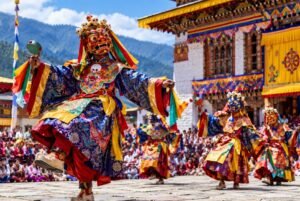
Tshechu” literally means festival. Tshechu or Festival is a religious festival in Bhutan. It means “tenth day”  of the Bhutanese calendar held annually in the fortress, monasteries, and open space. The importance is Guru Rimpoche and the main Thongrdel (Big cloth piece hanging on the wall) is hung every last day of the Festival. The festival is dedicated to Guru Rimpoche. During the Festival the entire community comes together to witness religious mask dances, and cultural shows and to meet people from different villages. People come in a colorful dress and with a pack of Lunch.

Additionally, the Bhutan Festival Calendar highlights the cultural richness of the country, showcasing diverse celebrations throughout the year.

Bhutan-Festival-Calendar

Bhutan Festival Calendar: Complete Guide to Tsechu, Mask Dances and Cultural Celebrations

Bhutan is famous for its spectacular Buddhist festivals, known locally as Tsechu (Tshechu). These colorful celebrations bring together monks, villagers, families and visitors to experience sacred mask dances, traditional music, religious ceremonies and Bhutanese cultural traditions.

For travelers, attending a Tsechu is an opportunity to experience Bhutan beyond its monasteries and mountain scenery. The festivals are held throughout the year, with major celebrations in Paro, Thimphu, Punakha, Wangdue Phodrang, Bumthang and other districts. The official tourism website publishes annual festival dates, while smaller local celebrations are held at monasteries and village temples.

Exploring the Bhutan Festival Calendar

The following is a detailed guide suitable for a Bhutan travel website, including a festival calendar, the meaning of mask dances, major performances and related activities.
Bhutan is a land of ancient Buddhist traditions, magnificent monasteries and vibrant cultural celebrations. Among its most important cultural experiences are the annual Buddhist festivals known as Tsechu. These festivals combine religious devotion, sacred dances, traditional music and community gatherings in a colorful celebration of Bhutanese heritage.

Each festival marked on the Bhutan Festival Calendar provides a unique glimpse into Bhutanese culture.

A Bhutan festival is not simply a public entertainment event. It is a religious occasion where Buddhist teachings are presented through symbolic performances, prayers and rituals. Monks and laypeople gather to receive blessings, make offerings and celebrate their shared spiritual and cultural traditions.

For international travelers, Bhutan’s festivals provide an opportunity to witness traditional mask dances, colorful costumes, local food, traditional clothing and the warm hospitality of Bhutanese communities.

What Is Tsechu in Bhutan?

Tsechu, also written as Tshechu, means a religious festival associated with a particular day of the lunar calendar. The word is commonly used for annual Buddhist celebrations held at dzongs, monasteries and temples throughout Bhutan.

Many Tsechus honor Guru Rinpoche, also known as Padmasambhava, the revered Buddhist master traditionally associated with the introduction of Buddhism to Bhutan and the Himalayan region.

During a Tsechu, monks and trained performers present sacred dances known as Cham. These dances are accompanied by traditional musical instruments, chanting and religious ceremonies. Each dance has its own symbolism, costume and purpose.

Bhutan’s festivals are held in different regions and at different times of the year. The national tourism authority has published festival calendars listing more than 160 celebrations, including major Tsechus and smaller local religious festivals.

For those planning to visit, knowing the Bhutan Festival Calendar is essential.

Bhutan Festival Calendar

The following calendar highlights important festivals that travelers can include in their Bhutan holiday itinerary. Dates follow the Bhutanese lunar calendar and change each year, so travelers should confirm the dates for their intended year before booking flights or hotels.

Exploring the Bhutan Festival Calendar will enhance your travel itinerary and cultural experience.

Month Major Bhutan festival Calendar Location Main attractions

January – Trongsa Tshechu Trongsa Dzong Mask dances and religious ceremonies
February–March Punakha Tshechu Punakha Dzong Mask dances and traditional religious performances
March–April Paro Tshechu Rinpung Dzong, Paro Major mask dances and the unfurling of a sacred thangka
April Gasa Tshechu Gasa Dzong Religious dances and local cultural gatherings
April Talo Tshechu Talo Monastery, Punakha Traditional dances and village celebrations
April–May Ura Yakchoe Ura, Bumthang Sacred dances, religious ceremonies and local traditions
May Domkhar Tshechu Domkhar, Bumthang Buddhist mask dances
June Nimalung Tshechu Nimalung Monastery, Bumthang Religious dances and cultural performances
June–July Haa Summer Festival Haa Valley Local culture, food, traditional activities and performances
September Thimphu Tshechu Tashichho Dzong, Thimphu One of Bhutan’s largest and most popular festivals
September–October Wangdue Tshechu Wangdue Phodrang Mask dances and cultural celebrations
October–November Jambay Lhakhang Drup Jambay Lhakhang, Bumthang Sacred dances and traditional religious rituals
October–November Prakhar Tshechu Prakhar, Bumthang Mask dances and community celebrations
November Black-Necked Crane Festival Phobjikha Valley Cultural performances and crane conservation activities
November–December Mongar Tshechu Mongar Dzong Religious dances and local traditions
December Trongsa Tshechu Trongsa Dzong Mask dances and religious celebrations

This is a selection of important festivals, not an exhaustive list. The annual dates and locations should be checked against the official festival calendar before publishing a travel itinerary.

This brief overview of the Bhutan Festival Calendar should inspire you to immerse yourself in these vibrant celebrations.

1. Paro Tshechu

Paro Tshechu is one of Bhutan’s most celebrated Buddhist festivals, part of the Bhutan Festival Calendar. It is held at Rinpung Dzong in Paro, a historic fortress-monastery overlooking the Paro Valley.

The festival attracts large numbers of Bhutanese people and visitors from around the world. During the celebration, monks perform sacred mask dances in the courtyard of the dzong.

Main attractions
Sacred Buddhist mask dances.
Traditional music played with drums, cymbals and horns.
Colorful costumes and elaborate masks.
Religious ceremonies and blessings.
Traditional Bhutanese clothing.
The unfurling of a giant sacred religious painting, known as a thongdrol.

The thongdrol is displayed during the concluding ceremony. It is believed to provide spiritual blessings to those who see it.

Paro Tshechu is especially popular among international visitors because it can be combined with sightseeing at Paro Taksang, Kyichu Lhakhang, Rinpung Dzong and other attractions in the Paro Valley as part of the Bhutan Festival Calendar.

2. Thimphu Tshechu

Thimphu Tshechu is a highlight of the Bhutan Festival Calendar, held at Tashichho Dzong in Bhutan’s capital city.

During the festival, monks and performers present a variety of sacred dances. The performances are accompanied by traditional instruments and chanting.

The festival is also an important social occasion. Bhutanese people wear their finest traditional clothing, gather with relatives and friends, and enjoy the lively atmosphere around the festival grounds.

Activities during Thimphu Tshechu
Sacred mask dances.
Religious prayers and blessings.
Traditional music.
Traditional clothing and cultural displays.
Local food and refreshments.
Photography of the festival atmosphere.
Meeting local people and observing Bhutanese customs.

Travelers visiting Thimphu during the festival can also explore the Memorial Chorten, Buddha Dordenma, National Folk Heritage Museum and other cultural attractions.

Participating in Thimphu Tshechu from the Bhutan Festival Calendar allows you to witness the rich cultural heritage of Bhutan.

3. Punakha Tshechu

Punakha Tshechu is held at Punakha Dzong, one of Bhutan’s most famous architectural landmarks. The dzong is located at the confluence of the Pho Chhu and Mo Chhu rivers.

Punakha Tshechu is another significant event on the Bhutan Festival Calendar that draws many visitors each year.

The festival is known for its beautiful setting and traditional religious performances. Monks perform sacred dances in the courtyard of the dzong, while local people gather to participate in the celebrations.

Highlights
Traditional mask dances.
Religious ceremonies.
Traditional music.
Colorful costumes.
Local food and cultural gatherings.
Sightseeing at Punakha Dzong.

This festival not only showcases traditional performances but also reflects the essence of the Bhutan Festival Calendar.

Punakha Tshechu can be included in a Bhutan cultural tour along with Dochula Pass, Chimi Lhakhang and the Punakha Valley.

4. Wangdue Tshechu

Wangdue Tshechu is celebrated with great enthusiasm and is a key highlight of the Bhutan Festival Calendar.

Wangdue Tshechu is held in Wangdue Phodrang and is an important religious celebration in central Bhutan.

The festival features traditional dances, Buddhist rituals and community gatherings. It provides an opportunity for visitors to observe local Bhutanese traditions in a less urban setting.

Visitors can immerse themselves in local traditions during Wangdue Tshechu as part of the Bhutan Festival Calendar experience.

Wangdue Phodrang is also known for its historic dzong and scenic mountain valleys, making the festival a suitable addition to cultural sightseeing itineraries.

5. Bumthang Festivals

Bumthang Festivals are renowned for their richness and are a staple of the Bhutan Festival Calendar.

Bumthang is one of Bhutan’s most important religious and cultural regions. The valley is home to several historic monasteries and annual festivals.

Major celebrations include Jambay Lhakhang Drup, Jakar Tshechu, Nimalung Tshechu, Ura Yakchoe and Prakhar Tshechu.

Exploring Bumthang’s festivals on the Bhutan Festival Calendar offers an in-depth look at Bhutanese spirituality and culture.

Jambay Lhakhang Drup

Jambay Lhakhang Drup is one of the best-known festivals in Bumthang. It is held at Jambay Lhakhang, a historic temple associated with the introduction of Buddhism to Bhutan.

The festival includes sacred mask dances, religious ceremonies and traditional rituals. One of its distinctive features is the Mewang, or fire blessing ceremony, in which participants pass beneath a structure of burning hay.

The festival also includes the famous Tercham, or naked dance, a sacred ritual traditionally performed at night. It is a religious ceremony rather than a public entertainment performance.

This festival is a prominent part of the Bhutan Festival Calendar and showcases unique cultural narratives.

Ura Yakchoe

Ura Yakchoe is held in Ura, Bumthang. The festival is known for its sacred dances and a religious relic associated with the festival.

The Ura Yakchoe adds depth to the Bhutan Festival Calendar, emphasizing community and cultural heritage.

Local traditions explain the significance of the relic through stories passed down through generations. The festival is also an opportunity to experience the culture and hospitality of the Ura community.

Nimalung Tshechu

Nimalung Tshechu is a vital event within the Bhutan Festival Calendar, known for its religious significance.

Nimalung Tshechu is held at Nimalung Monastery in Bumthang. It features traditional Buddhist dances and religious ceremonies.

The festival is also known for the unfurling of a large religious painting, which is displayed for devotees to receive blessings.

This festival highlights the importance of the Bhutan Festival Calendar in showcasing Bhutan’s rich traditions.

6. Haa Summer Festival

The Haa Summer Festival is a cultural celebration held in Haa Valley. Unlike the major monastic Tsechus, it focuses on the cultural traditions and lifestyle of the Haa community.

The Haa Summer Festival adds a different flavor to the Bhutan Festival Calendar, focusing on local culture.

Visitors can experience traditional food, local music, dances and demonstrations of Bhutanese customs.

The festival is particularly suitable for travelers interested in rural Bhutan, traditional lifestyles and cultural experiences beyond the major religious festivals.

This event is a testament to the diversity present in the Bhutan Festival Calendar.

7. Black-Necked Crane Festival

The Black-Necked Crane Festival is held in Phobjikha Valley to celebrate the arrival of black-necked cranes from the Tibetan Plateau.

The Black-Necked Crane Festival is a unique entry in the Bhutan Festival Calendar, highlighting biodiversity and conservation.

The festival combines cultural performances with environmental awareness and conservation activities.

Visitors can enjoy traditional dances, local music, cultural presentations and activities related to the protection of the cranes.

This festival is an enriching addition to the Bhutan Festival Calendar experience for all attendees.

The festival provides a good opportunity to combine Bhutan’s natural environment, traditional culture and wildlife conservation.

Complete Guide to Mask Dances in Bhutan

Mask dances are the most recognizable feature of many Bhutanese Tsechus. They are known locally as Cham and are performed by monks or trained lay performers wearing elaborate costumes and masks.

These dances are rooted in Vajrayana Buddhist traditions. They communicate religious teachings through movement, music, symbolism and dramatic performance.

The masks may represent deities, animals, historical figures or symbolic characters. Their colors, shapes and expressions are associated with different meanings.

1. Guru Tshen Gye – The Eight Manifestations of Guru Rinpoche

Guru Tshen Gye represents the eight manifestations of Guru Rinpoche.

Guru Rinpoche is one of the most important figures in Bhutanese Buddhism. The dance presents different forms of Guru Rinpoche, each associated with particular spiritual qualities and activities.

Performers wear elaborate costumes and masks, accompanied by traditional music.

The dance is performed during several major festivals and is among the most important religious performances in Bhutan.

2. Zhana – The Black Hat Dance

Zhana is commonly known as the Black Hat Dance.

It is one of the most important dances in Bhutanese religious festivals. Performers wear large black hats and traditional robes.

The dance symbolizes the removal of obstacles and the destruction of negative forces.

The performers move in coordinated patterns, accompanied by traditional music.

3. Zhana Nga Cham – The Black Hat Dance with Drums

Zhana Nga Cham is a variation of the Black Hat Dance in which performers carry drums.

The dance combines the symbolism of the Black Hat Dance with rhythmic drum performances.

It is an important part of the religious dance repertoire and is performed during major Tsechus.

4. Durdag – The Dance of the Graveyard Spirits

Durdag is a sacred dance featuring performers wearing skeleton-like masks.

The dance represents the impermanence of life and the transformation of negative forces.

The skeletal imagery is associated with Buddhist teachings about death, impermanence and the nature of existence.

5. Shinje – The Dance of the Lord of Death

Each performance showcases the spiritual depth that the Bhutan Festival Calendar represents.

Shinje is associated with Shinje, the Lord of Death.

The dance presents religious themes related to death, karma and the consequences of actions.

Performers wear masks and costumes representing symbolic figures associated with the Buddhist understanding of life and death.

6. Raksha Mangcham – The Dance of the Rakshas

Raksha Mangcham is a well-known dance performed during Bhutanese festivals.

The dance is associated with the judgment of the dead and the weighing of good and bad actions.

Performers wear masks representing animals and other symbolic figures.

The dance is particularly famous for its dramatic presentation and colorful costumes.

7. Drametse Nga Cham – The Dance of the Drums from Drametse

Drametse Nga Cham is one of Bhutan’s most famous traditional dances.

It originated at Drametse Monastery in eastern Bhutan.

The dance is performed by a group of masked dancers accompanied by drummers.

The performers move in circular patterns while playing traditional drums. The dance is recognized as an important expression of Bhutanese cultural heritage.

8. Peling Ging Sum – The Three Ging Dances

Peling Ging Sum is associated with the three Ging, or protective deities.

The dance is traditionally linked with religious stories about Guru Rinpoche and the subjugation of negative forces.

Performers wear distinctive masks and costumes and move in coordinated patterns.

9. Durdag and Shinje Dances

Some festivals include dances representing Durdag and Shinje together.

These dances explore themes of death, impermanence, karma and spiritual transformation.

The performances are often accompanied by traditional music and religious chanting.

10. Drametse and Other Regional Dances

Drametse Nga Cham is celebrated widely and is a significant part of the Bhutan Festival Calendar.

Different regions of Bhutan have their own traditions of sacred dances.

The dance repertoire may vary from one monastery to another, and some festivals include special local dances that are not performed elsewhere.

Travelers should not assume that every Tsechu has the same program. The exact dances depend on the festival, the monastery and the religious traditions of that community.

Related Activities During Bhutan Festivals

Bhutan festivals include much more than mask dances. They are important cultural gatherings where visitors can observe traditional customs, religious practices and community life.

Traditional Bhutanese Clothing

During festivals, many Bhutanese people wear traditional clothing.

Men commonly wear the gho, while women wear the kira.

The colorful fabrics and formal styles create a spectacular atmosphere during the celebrations.

Traditional Music

Traditional instruments are an important part of Bhutanese religious dances.

Common instruments include drums, cymbals and long horns.

The music played during festivals is integral to the overall atmosphere of the Bhutan Festival Calendar.

The music provides rhythm for the dancers and contributes to the spiritual atmosphere of the festival.

Religious Ceremonies

Festivals include prayers, offerings, blessings and other religious activities.

Visitors should observe these ceremonies respectfully and follow instructions from festival organizers.

Local Food

Festival grounds may have food stalls and local vendors selling traditional Bhutanese food.

Popular dishes include ema datshi, phaksha paa, momos, red rice and butter tea.

Food availability depends on the festival and location.

Traditional Handicrafts

Some festivals feature local handicrafts, textiles and traditional products.

Visitors may find woven fabrics, handmade items and other Bhutanese cultural products.

Traditional Archery

Archery is Bhutan’s national sport and is an important part of Bhutanese culture.

Some cultural celebrations include archery demonstrations or related activities.

However, archery is not a standard feature of every Tsechu, so travelers should check the festival program.

Community Gatherings

Tsechus bring together local communities from nearby villages and districts.

People gather to meet friends and relatives, receive blessings and enjoy the festival atmosphere.

Community gatherings during these festivals truly embody the spirit of the Bhutan Festival Calendar.

For visitors, this is an opportunity to observe Bhutanese culture in a natural community setting.

Best Time to Visit Bhutan for Festivals

The best time to visit Bhutan for festivals depends on the type of experience a traveler wants.

Spring Festivals

Spring is one of the most popular seasons for cultural tourism in Bhutan.

Paro Tshechu and Punakha Tshechu are major attractions during this period.

Spring is also a good time to combine festivals with sightseeing and hiking.

Autumn Festivals

Autumn is another important festival season.

Thimphu Tshechu, Wangdue Tshechu and several festivals in Bumthang are held during this period.

The weather is generally favorable for sightseeing and mountain travel, although conditions vary by location and altitude.

Winter Festivals

Winter festivals provide opportunities to experience smaller local celebrations.

Bumthang and other central and eastern regions hold festivals during the colder months.

Travelers should prepare for lower temperatures, especially in high-altitude areas.

Tips for Attending a Bhutan Festival
Check the festival dates before booking flights and hotels.
Arrive early at the festival venue to find a suitable viewing place.
Wear respectful clothing when visiting monasteries and dzongs.
Follow instructions from monks and festival organizers.
Ask permission before photographing people closely.
Avoid disturbing religious ceremonies.
Bring warm clothing for early mornings and colder valleys.
Plan transportation and accommodation in advance for major festivals.
Consider combining the festival with sightseeing in the surrounding valley.
Be flexible because festival programs may change.
Conclusion

Understanding the Bhutan Festival Calendar can enhance your appreciation of Bhutan’s rich cultural tapestry.

Bhutan festivals provide a unique opportunity to experience the country’s religious traditions, cultural heritage and community life.

The colorful mask dances, traditional music, elaborate costumes and religious ceremonies make Tsechus an important part of Bhutanese tourism.

Whether visiting Paro Tshechu, Thimphu Tshechu, Punakha Tshechu or a smaller local festival, travelers can experience a deeper connection with Bhutan’s culture and traditions.

A Bhutan festival tour is an excellent way to combine cultural sightseeing with visits to monasteries, dzongs, valleys and mountain landscapes.

For the latest festival dates, travelers should consult the official Bhutan tourism website and confirm the dates for their intended travel year.