Trekking in Bhutan destination beyond our imagination. The beauty of trekking in Bhutan is always covering with a pristine environment. Bhutan isn’t a carbon-neutral country but carbon negative country in the world. It is all due to the visionary ideas of Kings of Bhutan maintaining 72% of forest coverage at all times. Trekking in Bhutan is best compared to other Himalayan countries. Bhutan has been closed to other countries because it was cut off due to inaccessibility due to roads and flights. In 1974 the first paying tourist visited Bhutan. Trekking and hiking started in 1978. In 2000 only, 7500 tourists turn up was recorded. Out of which only 10-15% of the total turn out for trekking in Bhutan. To date only around 1550 trekkers visit Bhutan in a year.
Trekking in Bhutan is a unique experience, offering pristine landscapes, majestic Himalayan views, and a rich cultural heritage. Bhutan’s well-preserved environment and strict tourism policy ensure that trekking routes remain unspoiled and serene. Here’s everything you need to know about trekking in Bhutan.
How trekking in Bhutan organized?
Trekking in Bhutan is fully guided: from arrival until departure. It is different from other countries. It is a full total package planned in advance. Trekkers in Bhutan are accompanied by trekking guides certified by the Department of Tourism, horses to carry all camping equipment, food, and snacks for the whole duration, certified trekking cooks with helpers. In Bhutan, trekking horses and yaks are hired according to group size. If the group size is 2pax, 15–20 horses are hired. In the high altitude of 4500 meters and above, yaks are hired for trekking. It is all due to rugged terrain and snowfall in high mountains.
Why Trek in Bhutan?
Untouched Nature:
Bhutan’s trekking trails pass through remote valleys, dense forests, alpine meadows, and high mountain passes.
Cultural Experience:
Many routes pass through ancient monasteries, Dzongs (fortresses), and villages where you can experience traditional Bhutanese hospitality.
Biodiversity:
Bhutan is home to diverse wildlife, including Takins, blue sheep, Himalayan black bears, and snow leopards.
Fewer Tourists:
Unlike Nepal or India, Bhutan strictly controls tourism, ensuring less crowded trails.
Beliefs and services provided to Client
Trekkers in Bhutan don’t visit Bhutan for mountaineering or scaling high mountains. Bhutanese believe mountains are sacred places for deities of Bhutan. Every Bhutanese give due respect. The government doesn’t allow scaling mountains and rock climbing. In Bhutan trekking, you don’t need technical expertise with skills. Due to spare pollution and less visit of trekkers in Bhutan don’t give any hassle and every village people give importance and provide hospitality to trekkers.
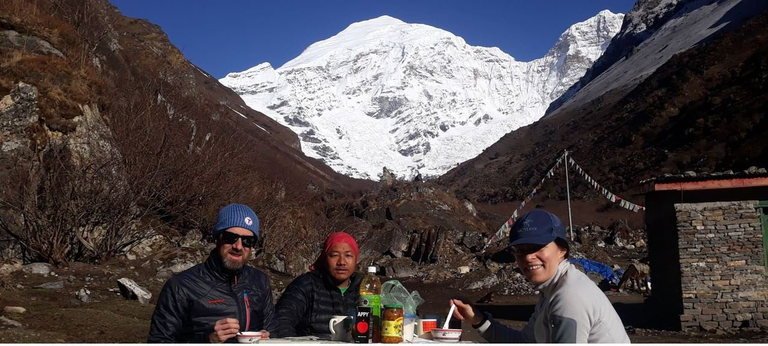
Meals provided by tour operators during trekking are best in the Himalayas. The prepared meals are in advance by the team comprising cooks and helpers. Even camping tents, dining tents, restroom tents are fixed before the arrival of guests. Hot lunch is prepared in the morning and carried in the flask and provided during midday. Even hot water is provided during the shower and morning hours.
Classification of Trekking in Bhutan
In Bhutan, trekking is categorized into 4 grades. First is Easy, which means suitable for most people. The second is Moderate, is a mix of lower and higher altitudes. Basic fitness is required. The third one is demanding, which means long-distance trekking. You need a higher level of fitness. The last one is Strenuous which high altitude trekking mostly long duration with maximum snow-covered.
The best example is snowman trekking, which is considered the toughest trek in the world. It is 25 days trek covering 11 mountain passes crossing more than 16,000 feet. The cost is expensive than a normal trek in Bhutan. Cost hike is due to toughness, and yaks are used for carrying goods and tents. The trek is the toughest due to altitude, distance, and duration. It is a 189-mile trek.
Popular Treks in Bhutan
Altitude: Up to 4,930m.
Highlights: Spectacular views of Mt. Jomolhari (7,326m), diverse landscapes, and encounters with nomadic yak herders.
2. Druk Path Trek (5–6 days)
Altitude: Up to 4,235m Highlights: Stunning alpine lakes, breathtaking ridges, and ancient dzongs. Perfect for beginners.
3. Snowman Trek (25–30 days)
Altitude: Up to 5,400m Highlights: One of the world’s toughest treks, crossing 11 high passes and reaching remote Himalayan regions.
4. Dagala Thousand Lakes Trek (5–6 days)
Altitude: Up to 4,520m Highlights: Pristine lakes, spectacular mountain views, and fewer trekkers.
5. Bumthang Owl Trek (2–3 days)
Altitude: Up to 4,000m
Highlights: Cultural experiences, ancient monasteries, and beautiful forested trails.
Trekking Permits & Costs
Trekking packages typically include guides, porters, accommodation, and meals.
Essential Packing List
Clothing: Layered clothing, waterproof jacket, gloves, thermal wear. Gear: Sleeping bag, trekking poles, sturdy boots, headlamp. Health & Safety: First aid kit, high-altitude medications, sunscreen. Miscellaneous: Power bank, snacks, reusable water bottle, camera.
Tips for Trekking in Bhutan
Acclimatize Properly: Some treks reach high altitudes; take time to adjust. Respect Local Culture: Bhutanese people are deeply spiritual, so be mindful of traditions. Be Environmentally Responsible: Follow “Leave No Trace” principles. Travel with a Local Guide: Mandatory for all treks, but they also enhance your experience with local insights.
Checklist for trekking in Bhutan
Before you go to Bhutan, you need to check out the following things beforehand.
- Get a quote and a fixed itinerary.
- Made payments to tour operators in Bhutan. Druk Air and Bhutan Airlines operate in Bhutan.
- Tour operators in Bhutan book the flight (inbound flight). Only two Bhutan Airlines operate in Bhutan, inbound and outbound.
- Get Visa clearance from your tour operator. Tour operators ask you to scan documents in advance for processing visas online.
- Check your health and vaccinations on time.
- Check out your trekking equipment.
- Don’t be stressed out before you leave your country.
Bhutan trekking seasons and Climate
The best time for trekking in Bhutan is in the spring and autumn seasons.
Spring (March–May):
Ideal for clear skies, blooming rhododendrons, and moderate temperatures. The season is good for flower lovers. More rainfall and cloudy most of the time. But early morning is clear before 0011:00 hrs. When sunshine, it is too hot. Most of the time you can see the clear sky, it will be cloudy and stormy weather.
Autumn (September–November):
The best season for trekking, offering crisp mountain views and stable weather. The best season to go trekking in Bhutan. The rainfall is not heavy as in summer. The best season is when you combine trekking with a cultural tour.
Winter (December–February):
Some lower-altitude treks are possible, but higher-altitude trails may be snow-covered. Summer (June–August): Monsoon rains make trekking difficult, except in the northern high-altitude areas. The season is good for low altitude trekking, but not good for high altitude trekking like snowman trek. It is dangerous due to avalanches. The sky is clear and is the dry season. The night is too cold.
Rainy Season(June-July)
The season is warm and hot. Rainfall is there, but it is not much. High altitude rainfall is not seen. But the trail is muddy, wet and most of the time leeches are there. High altitude is good enough with clear views and nice weather.